
LinkedIn CEO cites need for strategy shift in layoff memo; GM employees decry how their layoffs were communicated
Plus, Gitlab head lays out sweeping AI-related changes.

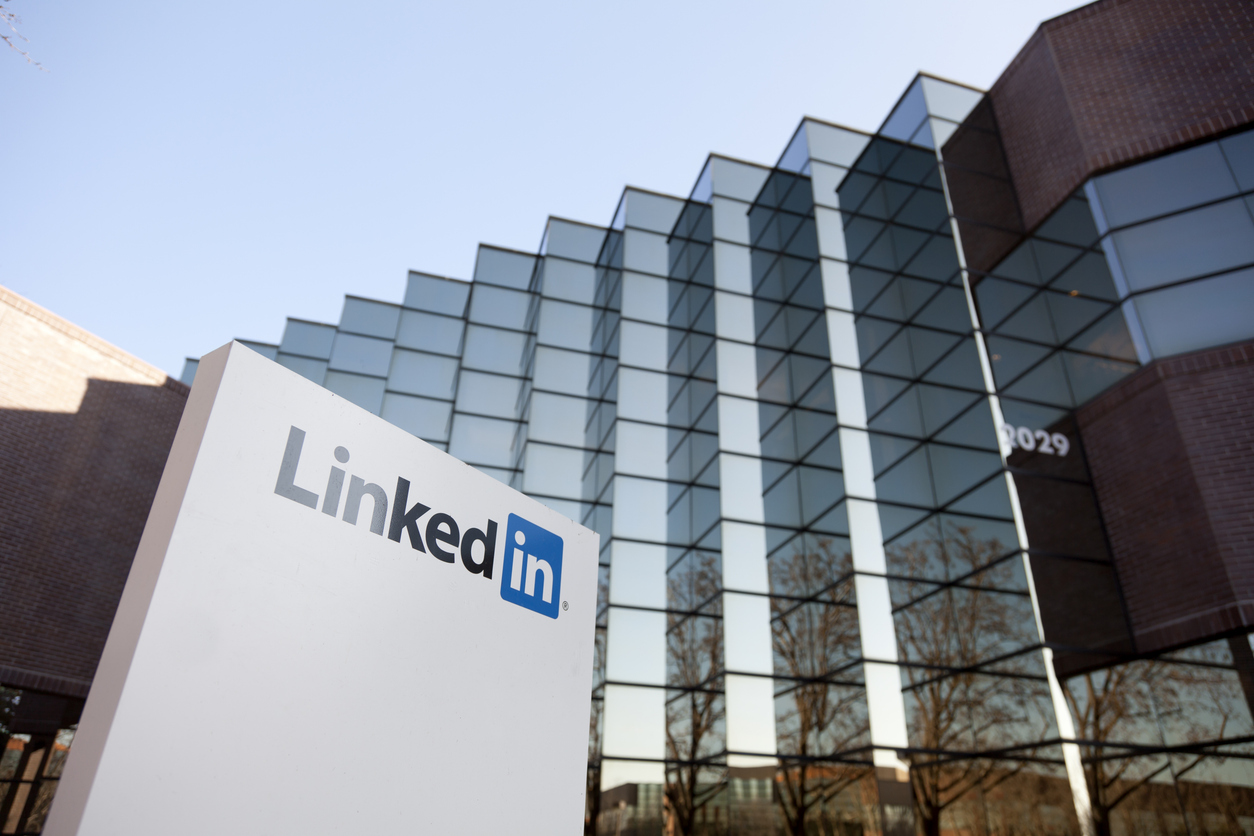
Greetings, comms pros! Let’s take a look at a few news stories from the last week and see what we can learn from them.
1. LinkedIn chief announces layoffs, citing need to “reinvent” how employees work
LinkedIn CEO Daniel Shapero announced that the job networking platform is cutting jobs, in addition to reworking the structure of the company. In a memo obtained by Business Insider, Shapero said that the changes were needed to keep the business strong.
For us to meet this moment, we must ready ourselves to deliver a step change in impact across our products, businesses, and platforms, while continuing to operate more profitably. We need to reinvent how we work, with agile teams focused on our highest priorities, and by shifting investments toward areas such as infrastructure to fulfill our mission and vision over the long term. This requires hard prioritization and tradeoffs.
In addition to layoffs, Shapero noted that LinkedIn will scale back marketing efforts, office space and customer events in an attempt to maximize ROI. The note also said that affected employees would be notified shortly after receipt of the memo and offered thanks for their contributions. Shapero also offered some words of support for remaining employees.
“We will move forward together with focus and clear priorities to reach our potential as the platform that the world’s professionals and companies increasingly turn to,” he wrote.
Shapero’s memo is notable from an internal comms viewpoint because it frames the job cuts as one part of a larger company overhaul rather than a headcount reduction to increase short-term profitability. The fact that he points to other cost reductions across the company, including with marketing campaigns and office space, helps reinforce the idea that leadership is making tradeoffs across the organization and not simply pinning more work on fewer employees.
In addition, by using now-common layoff language like “reinvent how we work” and creating more “agile teams,” Shapero’s message can be framed as a temporary setback along the company’s path forward. But it’s worth noting that this type of language also runs the risk of being viewed as not totally genuine by employee audiences due to how common it’s been in layoff memos lately.
2. GM employees take issue with how news of layoffs was shared
Layoff communications are tough to pull off, as they require riding a fine balance between business priorities and a human touch. According to a report by CNBC, recent layoffs at GM were communicated through an email notifying affected employees of a meeting in 15 minutes and a scripted note read out by HR. After that, there was nothing but the realization that they were out of a job, according to several employees.
“No appreciation or empathy. No questions. Nothing,” said a data analyst who worked for more than a decade at the automaker.
Another employee ascribed the layoffs to the company putting more emphasis on AI.
“They’re going to push AI for everyday work and everything else,” said a veteran programmer and data scientist for the company. “I’ve seen it firsthand. It can make you much more productive, as a programmer. It can really help you get more work done, but AI isn’t going to do you any good if you don’t know the business.”
GM declined to give CNBC more details on the layoffs or how much of a role AI played in the decision beyond a statement on Monday:
“GM is transforming its Information Technology organization to better position the company for the future. As part of that work, we have made the difficult decision to eliminate certain roles globally. We are grateful for the contributions of the employees affected and are committed to supporting them through this transition.”
This situation is a lesson in the fact that when layoffs are tightly scripted and don’t answer employee questions, they’ll fill in the blanks themselves. The company framed the layoffs as a way to “position the company for the future” and without much more detail, employees are interpreting that as “you’re replacing us with AI.” In turn, the perceived coldness of the message doesn’t help with employer branding for remaining workers. Ideally, a layoff message should lay out the reasoning for the move, the next steps for affected employees and support for those who remain.
3. GitLab states layoffs are coming so the company can “meet the agentic era”
Add GitLab to the ever-increasing list of companies reimagining themselves in response to the rise of AI. In a long and wide-ranging memo obtained by Business Insider, GitLab CEO Bill Staples outlined major changes aimed at flattening the company structure, rethinking workflows and eliminating roles because of AI advancements. The note, aimed at customers and investors, stated that an unspecified number of employees would receive layoff notices by June 1.
“The agentic era affords GitLab the largest opportunity in our history as a company, and we’re making the structural and strategic decisions to meet it,” Staples wrote.
GitLab’s statement is notable because rather than leaning into euphemisms about AI changing companies, Staples just comes out and says it plainly. In the note he says “software will be built by machines, directed by people.” For better or worse, you don’t usually get that degree of clarity in a change memo from a leader.
But communicators also need to consider how their choice of language makes employees see themselves as part of a future company vision. That’s especially true of a note that wasn’t aimed at employees, but affects them directly. When jobs are at stake, comms pros need to acknowledge the people doing the work — even when that workflow might be changing significantly due to automation.
4. How about some good news?
- The great Ziggurat of Ur in Iraq is being preserved using ancient building methods.
- David Attenborough turned 100 and was celebrated for his extensive environmental work.
- Scientists may be on the verge of a breakthrough to heal nerve damage in MS patients.
- Ragan Training is an excellent place for communications professionals to find inspiration and valuable resources.
- You should be rewarded for your work. Find out how to earn an award here!
Have a great weekend comms all-stars!
Sean Devlin is an editor at Ragan Communications.






Nice to see the LinkedIn statement was the same word salad gibberish that most people are posting to their profiles for the last few years. I’m surprised it didn’t say they’re “excited to announce” the “bold new opportunities” that the layoff present. And they’re “thankful for the opportunity.”