Starbucks and workers’ union spar in statements; Paramount tells employees the minute details of RTO process
Plus, a report reveals how managers factor into AI uptake at work.

Greetings, comms pros! Let’s take a look at few news stories from the past week and see what we can learn from them.
1. Starbucks, barista union battle it out in statements amid strike
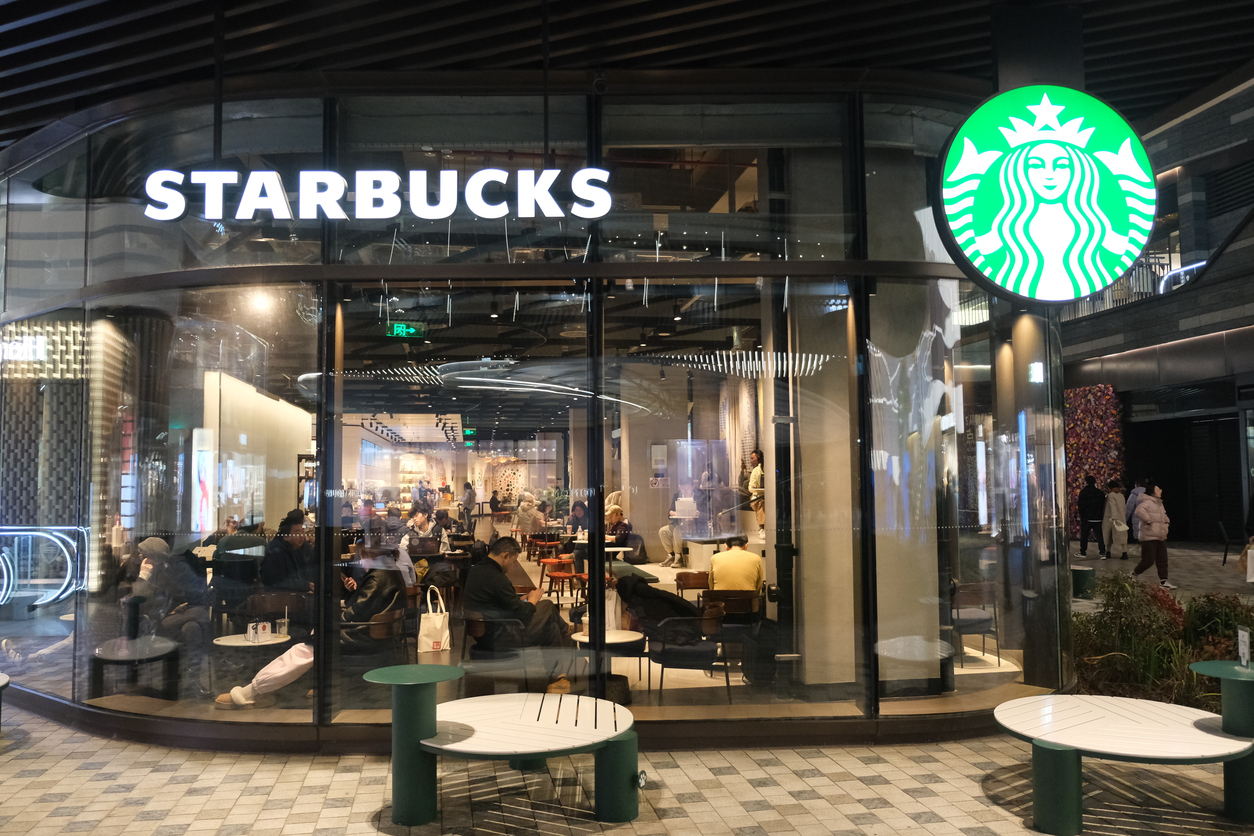
Starbucks workers at more than 65 Starbucks locations went on strike Thursday, with more than 500 more stores poised to join the walkout if labor negotiations between Workers United and the coffee giant. The union is accusing the company of unfair labor practices, while Starbucks said it was willing to talk even as the company downplayed the impact of the strike. The strike started on Red Cup Day, an important marketing event for Starbucks in which customers can obtain a free reusable holiday-themed cup.
“If Starbucks keeps stonewalling a fair contract and refusing to end union-busting, they’ll see their business grind to a halt,” said Michelle Eisen, Starbucks Workers United spokesperson and 15-year barista. “No contract, no coffee is more than a tagline—it’s a pledge to interrupt Starbucks operations and profits until a fair union contract and an end to unfair labor practices are won.”
Business Insider obtained a statement from Starbucks on the labor dispute.
“We’re disappointed that Workers United, who represents less than 4% of our partners, has called for a strike instead of returning to the bargaining table,” a Starbucks spokesperson told Business Insider, adding that less than 1% of the company’s store locations are being affected. The company has 16,864 stores across the US, according to its most recent financial report.
Union comms aren’t easy, but with careful planning, communicators can get them right — that requires recognizing both the rights of workers and keeping comms within the company’s voice and culture. Those two elements need to come through in any message. Starbucks’ statement to BI doesn’t hit either of those marks and instead focuses more on the disappointment around the strike.
The third piece of the union comms puzzle requires preparing leaders to hit the right notes when talking about labor negotiations. In an interview with “CBS Mornings,” Starbucks CEO Brian Niccol alluded to the disputes, claiming that some worker demands were “unreasonable,” but in the same breath said that the company was willing to negotiate. Union comms statements from the top brass need to be strong and singularly focused. More alignment with cultural talking points would help here, as opposed to one leader’s opinion on the negotiations shining through.
2. Paramount gets into the nitty-gritty of RTO process
Paramount gave its employees the specific details of its five-day-a-week RTO process that will begin in January 2026. The aim is to give the company time to rearrange office spaces in a way that ensures “everyone has their own dedicated workspace.” Business Insider obtained a memo from the “Paramount RTO Task Force,” which asked hybrid staffers to clean and pack their office belongings by November 21st to allow for a revamp of the office ahead of January’s full RTO. Additionally, the 1515 Broadway office in New York and Gower office in Los Angeles will work remotely through the end of the year. In addition, the note closed by telling employees that team-specific guidance on the RTO process would follow in the weeks ahead.
This RTO memo works because of the sheer amount of detail it goes into. We’ve seen a lot of RTO memos that explain the why of the process, but the how is just as important. The methodical nature of the message makes it clear how the process is going to work — employees are going back to their desks soon, and these are the things that need to happen first. The thorough memo minimizes confusion about how RTO is going to work. Communicating RTO processes isn’t easy and employees may not like them. But at the very minimum, organizations need to be clear about what the process entails so employees can adjust accordingly. It’s worth mentioning that about 600 Paramount employees took severance packages rather than returning to office in 2026, with the company calling RTO a “strategic priority.” Paramount is being clear about what its RTO process entails. The message is clear: get back to the office or consider working elsewhere.
3. Report: Manager support helps with employee AI adoption
A recent report from Gallup found that employees who have a manager who supports their AI adoption journey are much more likely to successfully implement it into their workflows. The data found that employees who strongly agreed their manager supported their team’s use of AI were 2.1 times more likely to use AI a few times a week or more, 6.5 times more likely to find that their work-provided AI tools were useful, and 8.8 times more likely to feel that AI provides more opportunities to do their best work.
Managers are the closest touchpoint employees have with the rest of the organization. During times of major shifts like adoption, a strong relationship and communication pathway between manager and employee can make implementing these tools much smoother. Managers can also make this process easier by communicating the regulations and use cases of AI on a team level. That kind of employee-centric communication can help the process of AI adoption feel more tangible and encourage employees to try out automated tools for themselves.
4. How about some good news?
- The Grand Egyptian Museum opened in Cairo. It’s the largest museum in the world dedicated to one civilization.
- A protein found in alpacas and llamas might hold the key to fighting Alzheimer’s.
- Messages from World War I soldiers were found in a bottle along the Australian coast.
- Ragan Training is great for communications pros to find inspiration and resources.
- You should be rewarded for your work. Find out how to earn an award here!
Have a great weekend comms all-stars!
Sean Devlin is an editor at Ragan Communications. In his spare time he enjoys Philly sports and trivia.