Blood Cancer United took a ‘big risk’ trusting employees with its rebrand. It paid off.
Details from a three-year process involving feedback, transparency and early disclosure.



In the early 2020s, The Leukemia & Lymphoma Society could no longer ignore the limits of its brand.
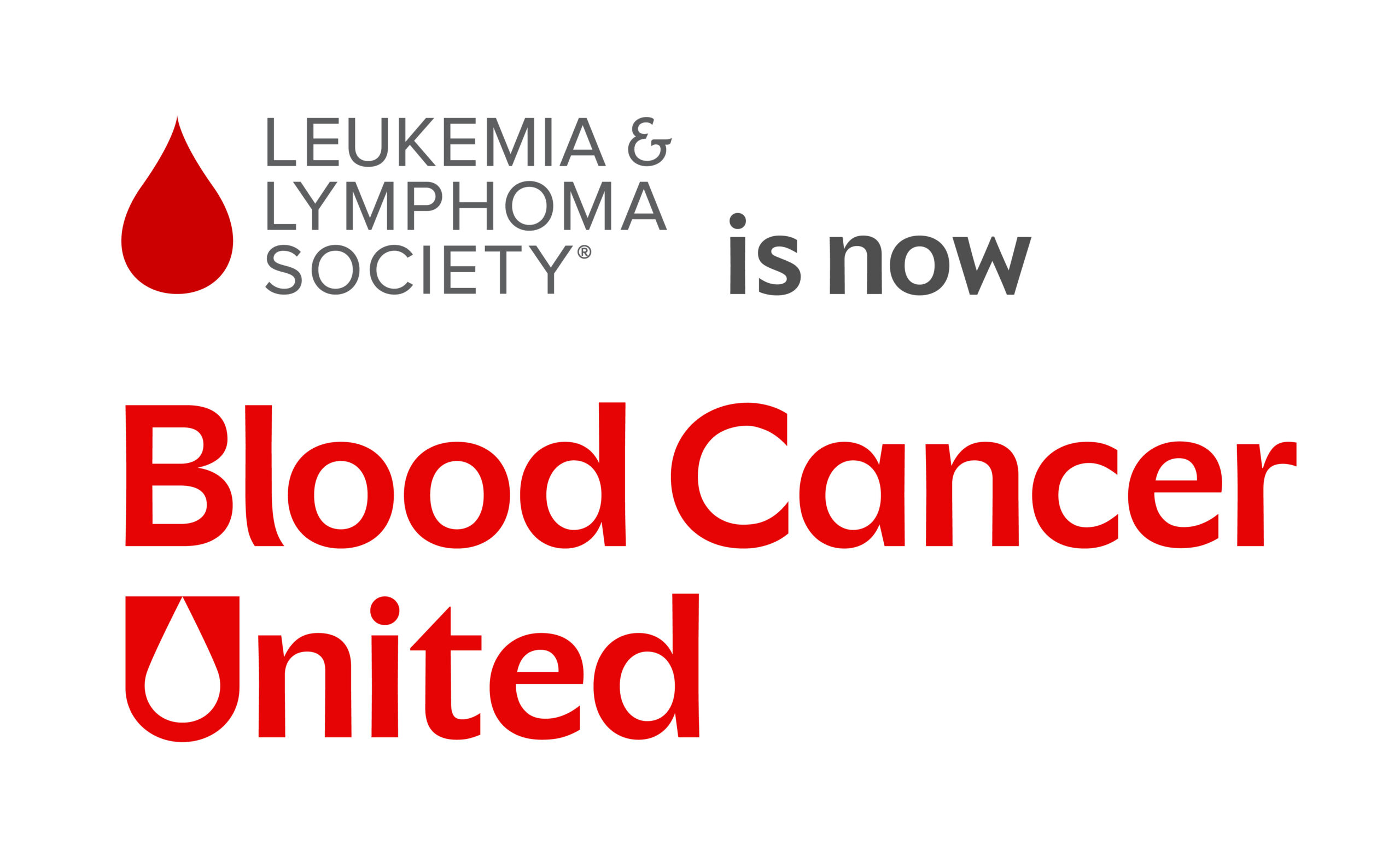
The first problem: its logo. There was nothing unique about its gray font next to a red drop of blood over a white background.
“We did not have a distinct look and feel,” said Lynn Godfrey, the organization’s chief experience officer, who oversees both internal communications and external marketing. “Within the nonprofit health category, we were in a sea of sameness. Everyone was red, white — maybe add a little blue in there for a little pizzazz.”
Another issue: while many people had heard of leukemia and lymphoma, research showed they didn’t know much about either disease. Plus, the words were hard to spell and pronounce.
“There was a lot of confusion,” said Godfrey.
The Leukemia & Lymphoma Society embarked on a three-year process of changing its brand identity to Blood Cancer United, which debuted in August 2025. The name consistently tested best across various audiences and stakeholders.
Blood Cancer United is a member of Ragan’s Communications Leadership Council.
Below are three ways the organization kept its remote staff of 1,100 employees involved and aligned throughout the transformation.
We’ve been gatekeeping long enough! 🔑
For more than 75 years, we’ve been committed to creating a world without blood cancer. While our mission hasn’t changed, today, our name does. 📣
📰 Headline this moment—go!👇 pic.twitter.com/uUL8YZidBz
— Blood Cancer United (@BloodCancerUtd) August 26, 2025
Getting permission
Blood Cancer United began as the Robert Roesler de Villiers Foundation in 1949. Although the organization has updated its name a few times since then — it became The Leukemia & Lymphoma Society in 2000 — the leadership team felt it was wise to get everyone on board before undergoing another major change.
An internal survey conducted at the beginning of the process provided this support. More than eight in 10 Blood Cancer United employees agreed that refreshing the organization’s name was for the best.
“We had a staff mandate to change,” said Godfrey.
Godfrey, who joined Blood Cancer United in 2020, noted part of the motivation to move away from The Leukemia & Lymphoma Society title came from employees who felt the organization wasn’t getting the recognition it deserved.
Leukemia and lymphoma were just two of the more than 100 types of blood cancers the nonprofit was dedicated to curing. Finding a better way to communicate the work the organization was already doing would open the door to more donors, researchers, volunteers and patients.
“Our name unintentionally excluded 20% of blood cancer patients,” said Godfrey. “It didn’t accurately reflect who we were and what we do.”
Sharing milestones
Together with global branding agency Jones Knowles Ritchie, Godfrey recalled testing around 400 different names. Potential replacements included everything from Ruby to The Leukemia, Lymphoma & Myeloma Society.
“There were no sacred cows,” said Godfrey. “We thought, if we’re going to do this, let’s make sure we’re really thinking as broadly as possible.”
With the rebranding process underway, Blood Cancer United created an internal email newsletter titled Brand Bites to keep its employees in the loop. At first, it came out every other month. As the launch date drew closer, the cadence increased to every other week.
“It was really important to convey the momentum that was building,” said Godfrey.
The organization also provided updates at town hall meetings.
“The intention with staff was to bring them along on this journey — not just to inform them, but to educate them as to why we would even begin the process of investing in a brand,” said Godfrey.
View this post on Instagram
Showing trust
In September 2024, nearly a year before Blood Cancer United announced its new name to the public, the organization revealed it to employees during a virtual conference.
Godfrey described the decision as a “big risk.” The organization didn’t want news of the rebrand to leak and asked everyone to keep it confidential. At the same time, she said, the leadership team felt revealing the new name and logo was important in the spirit of bringing staff along on the journey.
“It was an invitation to be part of a process and part of something that we need to hold close as an internal community,” said Godfrey.
And the secret held. Four months after debuting Blood Cancer United to the public, the organization reported a 10% increase in social followers and 15% boost in web traffic.
“By the time we got to the launch, everyone knew we were changing our name and why,” said Godfrey, “which was important because we had this groundswell of support within our staff, within our community, to help amplify that message.”