Pulling up more chairs: Former CEO Wendy Davidson on lasting impact

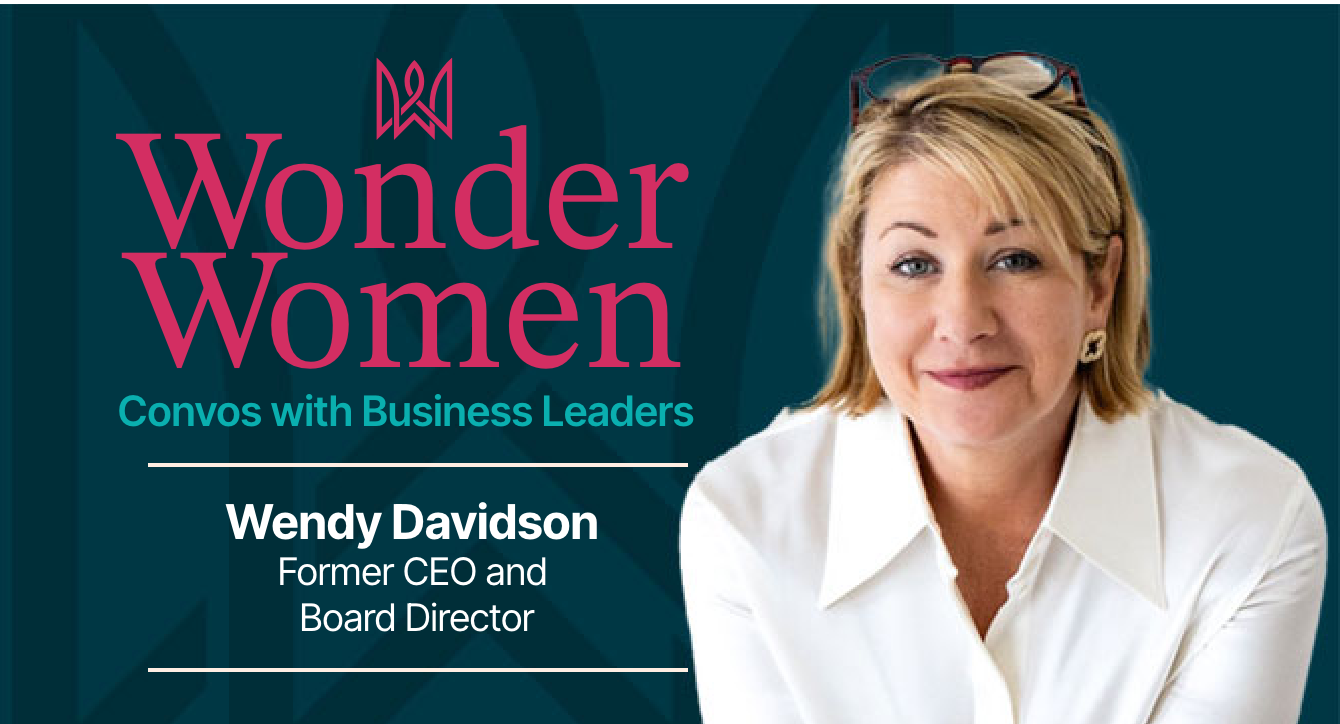
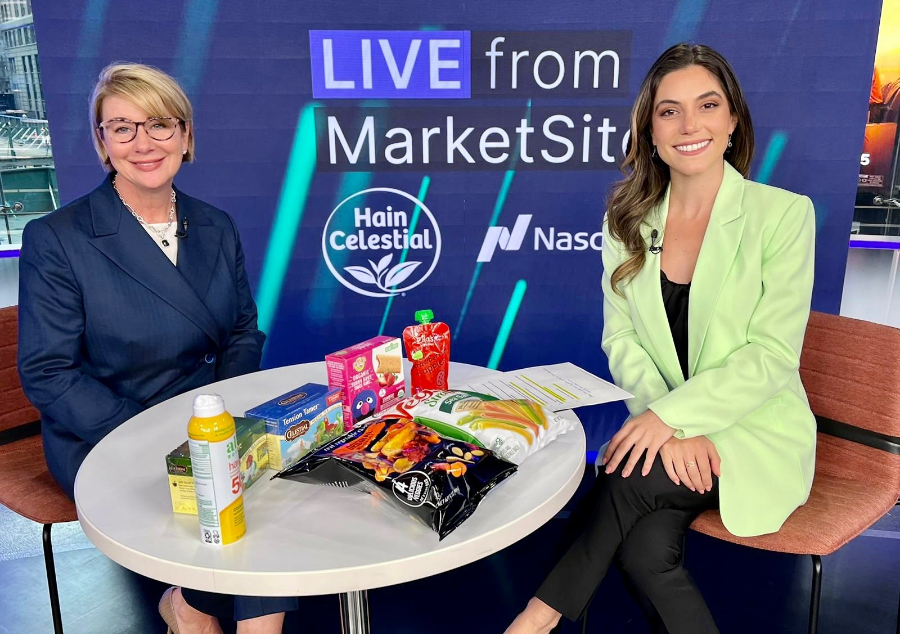
Wendy Davidson never planned on becoming a CEO. Fresh out of college, she took a sales job at Tyson Foods to save for law school, but that “temporary” gig launched a career that has seen her run billion-dollar brands at McCormick & Company, Kellogg’s, Glanbia Performance Nutrition and as CEO of Hain Celestial Group.
Since leaving Hain Celestial in May, Wendy has been charting her next move and taking the time to reflect and recharge. She shares the big breaks, bold moves and blunt advice that shaped her journey. She opens up about building powerhouse teams, making career choices guided by her simple four-question test and leading through change with steady confidence.
Wendy’s passion for serving on boards was sparked in high school, when a cancer diagnosis led her to connect with the Susan G. Komen Foundation. What began as a personal journey grew into decades of service on nonprofit and corporate boards, showcasing her unwavering desire to give back and learn from those around her. She currently serves on the boards of First Horizon National Corporation and the Global Board of Trustees for Ronald McDonald House.
Her take on leadership is refreshingly direct: it’s not about titles or recognition, it’s about helping others thrive. And when it comes to creating opportunities, Wendy’s not just opening doors — she’s holding them wide open.
Think of this Q&A as a roadmap to the C-suite. For a deeper dive, join me Sept. 17-19 at Ragan’s Leadership Retreat & Summit, where she and I will continue the conversation.
Origin Story
DIANE: Walk us through the key moments or decisions in your career that led you to a CEO role at a $1.5 billion publicly traded company.
WENDY: I am an unintentional executive who started my career out of college intending to save money to pay for law school. What began as a two- to three-year job in sales at Tyson Foods turned into 17 years working my way through marketing, operations and general management, ultimately leading businesses across multiple categories and countries with responsibility for thousands of team members and revenues exceeding $6 billion.
A move to McCormick & Company broadened my category and geographic experience leading businesses across the U.S. and Latin America, and my experience at Glanbia enabled me to work for a global company based outside of the U.S. and lead a commercial transformation to integrate six acquired businesses into a single route-to-market model.
 Most recently, I stepped into the CEO role of The Hain Celestial Group to lead a multiyear strategic turnaround across five categories and three continents, reshaping the portfolio, rebuilding culture and strengthening the balance sheet. Each experience built the foundation and prepared me for the next opportunity.
DIANE: Was there a specific person or defining moment that gave you the confidence or the push you needed to step into a leadership role at the top?
WENDY: When I joined the Kellogg Company, I had the privilege of reporting directly to our CEO and board chair. As I joined the company, he offered a piece of advice that shifted my mindset: “Stop interviewing for the job you already have.”
At the time, I was still finding my footing in a new company with new colleagues — hesitant to make bold moves, mindful of being new to the organization. His words were an important reminder that not making a decision is a decision and success doesn’t come from extreme caution — it comes from taking action. Once you’re in the seat, your job isn’t to prove why you were chosen. It’s to lead, to act and to deliver.

Leadership
DIANE: You’ve described yourself as a “builder.” What’s something you’ve created that you’re most proud of, especially for its lasting impact?
 WENDY: I’ve always believed that everything starts with people. The right individuals, in the right roles, equipped with the right skills, resources and support can achieve extraordinary results.
What I’m most proud of isn’t a product or a turnaround — it’s the leaders I’ve helped build. The real proof of impact is when a business thrives after you’ve moved on, when people you’ve coached step into bigger roles, and when top talent chooses to follow you to the next challenge. That ripple effect — leaders influencing other companies, industries and teams — is the legacy I’m most proud of. A quote from W.K. Kellogg, the founder of the company, still resonates “I’ll invest my money in people.”
DIANE: What core principles or practices do you consistently rely on to drive success for high-performing teams?
WENDY: Culture is defined by how people think, feel and act. To unlock performance, teams need clarity of vision, clear accountability and trust — in company leadership and in each other. It’s basic, but powerful.
One of my favorite quotes from Tony Dungy’s book “Quiet Strength” captures this perfectly: “Champions aren’t champions because they do anything extraordinary. They do the ordinary better than anyone else.”
That mindset — mastering the fundamentals with consistency and purpose — is what drives teams to deliver sustained success.
DIANE: What are the key attributes you look for when recruiting top talent?
WENDY: When recruiting key talent, I look for individuals who can lead AND follow—and know when to flex between the two. And I assess both attitude and aptitude:
- Do they have the skills and experience for the role and the potential to grow two or more moves beyond it?
- Are they builders of teams, of culture, of company capability?
- Do they bring a learner’s mindset with curiosity, humility and initiative?
I think it’s important to hire for “add,” not just “fit.” I want people who will challenge my thinking, help the organization anticipate change, and deliver results for both today and the future, the quarter AND the decade.
DIANE: For women in leadership roles, there’s been slow but steady progress, with small percentages of women in leadership roles and board roles. What are some tangible ways to speed up change?
WENDY: Progress has been steady, but slow. To speed it up, we need to focus on two tangible levers: experience and advocacy.
- Build relevant experience. I advise women to seek cross-functional roles and develop financial fluency early in their careers. Every leader — regardless of function — should understand the P&L and how the business makes and spends money.
- Expand your network. Build authentic relationships with people who will advocate for you when you’re not in the room. Visibility matters, but so does sponsorship.
Careers aren’t ladders — they’re jigsaw puzzles. Lateral moves, stretch projects, board roles and diverse networks all help build the breadth and depth needed for executive leadership.
Managing Change
DIANE: What strategies have you found most effective in navigating change?
WENDY: A good friend and coach once told me: “People crave certainty, but they need clarity,” and ,“What consumes us controls us.” Those two phrases have stayed with me.
When navigating change, I focus on steadfast, transparent communication. As leaders we need to provide context for the problem we’re solving, clarify what’s urgent versus important and help the team separate what’s controllable from what’s not. Prioritizing the team’s energy on what we can control — and what requires immediate attention — is the most productive path forward and prevents distraction.
It’s also important to keep in mind that people interpret change in one of two ways: as loss (with fear) or as opportunity (with excitement). Our role as leaders is to provide the context for why change is necessary, and the story arc of how the action plan will enable a better future. This enables clarity — even when certainty isn’t possible.
DIANE: I’m intrigued by your four-question path to determine the next steps in your career. Take us through those four questions.
WENDY: Years ago, I heard a speaker pose three simple questions to assess new opportunities. I’ve carried them with me ever since, adding a fourth of my own. This framework continues to guide my decisions—and those I mentor—through moments of change:
- Is it real? Will this opportunity provide genuine growth and stretch? This helps avoid choosing based on title alone.
- Is it worth it? Every change requires sacrifice — time, energy, resources. Will it be worth it in the long run?
- Can I win? What conditions are needed for success? Clarity of expectations, alignment on resources and advocacy are critical. You won’t have unlimited time or support — so alignment matters.
- Why this, and why now? Is this the right opportunity at the right time for you? Only you can answer that, based on your personal and professional priorities.
DIANE: At Hain Celestial, you were charged with driving a business transformation. What did you learn in that process?
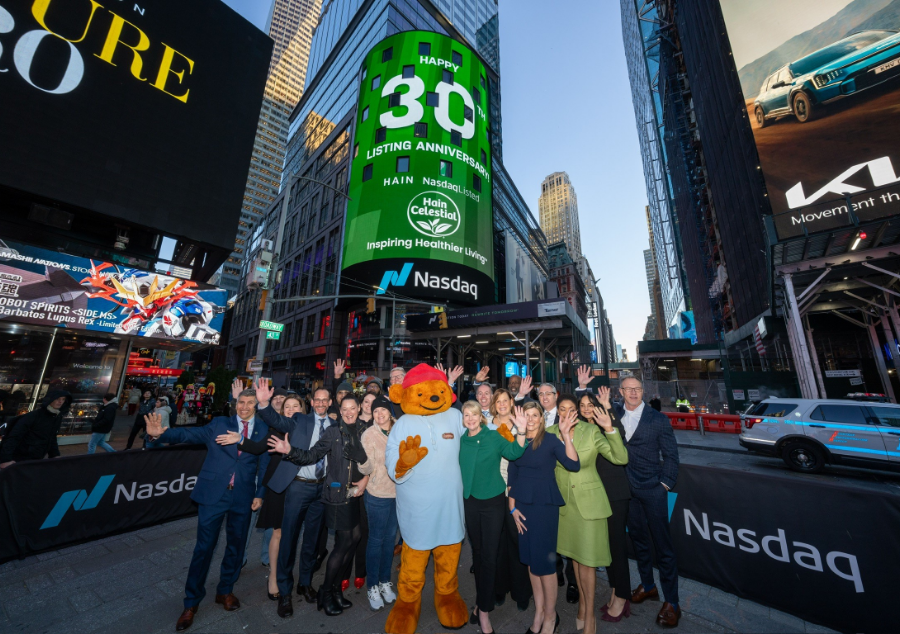
WENDY: Within my first six months at Hain Celestial, we launched a comprehensive, multiyear turnaround strategy. I’m proud of the team’s work to:
- Clarify our vision, mission, and values
- Build an integrated operating model
- Recruit top talent
- Streamline our geographic and brand portfolio
- Improve the balance sheet through better working capital and supply chain efficiency
But what I’m most proud of is the cultural transformation. We improved engagement across the organization, earning our first-ever recognition by U.S. News & World Report as one of the best companies to work for and delivering best-in-class safety metrics across our global operations.
We also invested in corporate communications, dramatically enhancing our brand story — internally and externally. That work delivered top-quartile share of voice, generating tens of millions in earned media — far ahead of what’s typical for a company our size.
DIANE: What was it like stepping into your first role as a CEO?
WENDY: Working for the CEO provides a glimpse into the demands on time and energy, but nothing fully prepares you for the role until you are in the seat. I had a colleague share the advice given to him when he became the CEO to focus on only those things that the CEO alone can do. If you focus on anything beyond those, you are both taking away authority from someone on your team and you’re leaving the organization without someone solving those areas that you should be doing.
It’s common for first-time CEOs to spend their energy trying to prove why they were chosen, handing out task lists and chasing every decision. But the best CEOs focus on asking the right questions, not having the right answers.
That shift empowers the team to solve problems and deliver results. If the person at the top insists on having all the answers, the company is limited by their personal capacity and experience.
 Tapping into others’ experience and insights, learning what is needed and required in the role and leveraging early onboarding models are important feedback and planning tools. What got you here won’t be what’s needed so you need to be curious, humble and constantly learning. Just like a first-time board member, the role requires a new mindset — one that guides, enables and elevates others. And you move from being the one doing the work to the one creating the conditions for great work to be done.
Getting On Boards
DIANE: You’ve been serving on boards for nearly your entire career. How did you land the board role for First Horizon Bank?
WENDY: I was fortunate to work under a great CEO during my time at Kellogg, John Bryant, who was someone who didn’t just support my desire to serve on a public company board, but actively coached and advocated for me.
He connected me with two of our company board directors who became mentors, sponsored me for the Catalyst Women on Boards Initiative, and spent time helping me understand the critical distinction between the role of the board and the role of management. That preparation, support and advocacy helped me get noticed by recruiting firms conducting board-specific searches.
DIANE: Take us through the different types of boards an executive may serve on.
WENDY: Board service can take many forms; each offering unique opportunities to contribute and grow:
- Non-profit (local & national) boards provide experience in community impact, fundraising and governance.
- Academic (local & university) boards provide experience in policy, institutional strategy and stakeholder engagement.
- Industry advisory/trade associations provide experience in policy, advocacy and industry standards.
- Venture capital/private startups provide experience in strategic guidance, scaling and founder mentorship.
- For-profit private companies provide experience in growth strategy, governance and succession planning.
- For-profit public companies provide experience in fiduciary oversight, shareholder value and enterprise risk management
Each board type builds different muscles, from strategic thinking to governance to stakeholder engagement. And beyond the experience you gain, the networks of director colleagues you serve with lead to future board opportunities.
DIANE: It’s a two-way street — are there questions you should ask of the board before accepting the role?
WENDY: Securing a board role is absolutely a two-way street; asking the right questions is essential. Early in my board journey, I pursued a public director role with the singular goal of being selected. I wasn’t — and in hindsight, I’m grateful. It wasn’t the right industry, company or cultural fit.
Here’s what I’ve learned to ask before saying yes:
- Clarify potential conflicts: Know which industries and companies you can serve without conflict. Have a conversation with your CEO, and possibly your board –especially if you’re a named executive officer. Their input and support matter.
- Understand the “why”: Why are they interested in you, and why now? What aspects of your experience are they seeking? What do they hope you’ll bring to the board?
- Assess culture and dynamics: Ask about the most challenging issues the board has faced recently and how they handled them. How collegial is the board? How do they speak about each other and the management team? In times of challenge, you’ll spend a lot of time together. Are these people you can trust and who trust each other?
- Explore the board-management relationship: Does the board engage with management outside of formal meetings? Do they mentor key talent? How do they view their role in shaping strategy and talent to deliver long-term value?
Board service is a commitment, not just of time, but of judgment, integrity and reputation. Asking the right questions ensures you’re stepping into a role where you can truly contribute and grow.
Self
DIANE: What inspired you to create a personal board of advisors, and how do you engage with them to get the most value?
 WENDY: I believe the same principles we apply to building a company or brand should be applied to ourselves. You are a brand — and everything you say and do tells a story. Brands grow by learning from others, adapting what works and refining what doesn’t, while staying true to their values.
That’s why I created a personal board of advisors: a diverse group of individuals who teach, guide, challenge and inspire me. They include:
- Peers from different industries
- Leaders in roles I aspire to
- Experts from functions outside my experience
- Individuals I admire for their ethics or life perspective
I’m transparent in asking them to serve, sharing why their background matters to me. I set clear expectations — how and when I’ll reach out, what time commitment is involved — and I take full responsibility for managing the relationship. I also make a point to follow up and share progress, so they know their time and insights made a difference.
DIANE: Walk us through your three pillars of wellness — mind, body, and spirit — and how you personally nurture each one.
WENDY: I treat my personal growth like a strategic plan — with three core pillars that guide how I invest my time and energy:
 Mind: Feed curiosity
I’m committed to lifelong learning. Right now, I’m pursuing my NACD Board Director Certification and taking executive education courses in emerging areas like cybersecurity and AI — topics that are increasingly critical for board and executive leadership.
 Body: Build strength
Despite working in health and wellness, I hadn’t prioritized my own physical health. That’s changing. I’ve been working with a strength trainer, a Pilates instructor and a golf coach to improve mobility, build strength and elevate my golf game. It’s about investing in energy and longevity so I can live out loud.
 Spirit: Lead with purpose
Purposeful leadership starts with intentional living. I’m leaning into where I spend my time, focusing on activities and causes that fill my cup and create impact in my community and beyond. Whether through non-profit board work with the Ronald McDonald House Global Board of Trustees, mentoring early executives and startup entrepreneurs, or community service, this pillar keeps me grounded and inspired.
Other Tidbits
Hometown:
LeMars, Iowa — a small town in northwest Iowa

First job:
Walking soybean fields and detasseling corn for the Iowa Job Corps at age 13

Dream dinner with 3 business icons — who’s on the guest list?
Sheryl Sandberg – Former COO of Meta, founder of LeanIn.org, a champion of women in leadership
Beth Ford – CEO of Land O’Lakes, using her seat at the table to advocate for rural America and inclusive leadership
Tony Dungy – Former NFL football coach and author of “Quiet Strength,” who advocates for team chemistry over a single star player

Current book she’s reading:
“All the Light We Cannot See”

Favorite vacation spot:
Punta Mita, Mexico

Best Advice:
“You are entitled to your own opinion, but it must be an educated and informed opinion.” — Bill Jaycox (my father, who had my brother and me read the front page of the newspaper before dinner). He showed me that age, gender and experience don’t limit my ability to have a voice and to use my seat at every table for impact.

Worst Advice:
“Now that you’ve reached this level, you should quiet your public advocacy for inclusion or you might risk future opportunities.” I don’t believe the farther we go in our careers that we should use our position to protect our position but to create opportunities for more people to have a seat at the table.
To all Wonder Women: If you’re looking to connect with other women leaders in communications, consider joining us for the next Ragan’s Leadership Retreat & Summit September 17-19: Details are here.