The key to leadership buy-in: Talk about comms as an investment
Live coverage from the Employee Communications & Culture Conference.

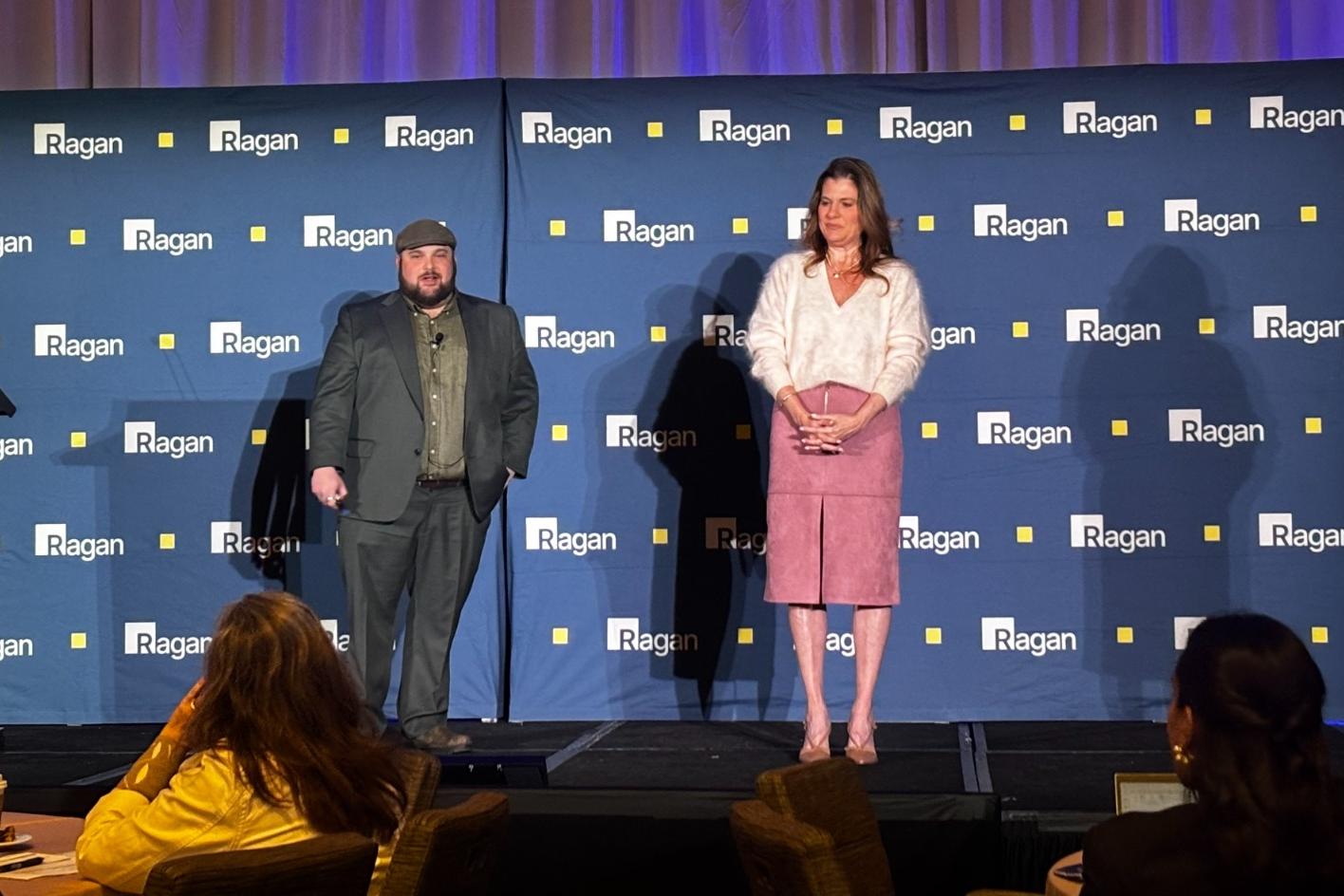
For internal communicators to make an impact, they need to speak the language of their business. During a preconference workshop at Ragan’s Employee Communications and Culture Conference in Boston this week, Mari Considine, chief brand and marketing officer at Acenda Integrated Health, shared how internal communicators can learn the ins and outs of business functions and then translate them into digestible messaging.
“We thought we had it figured out,” Considine said. “We were tracking KPIs and our numbers looked great. But we realized we were speaking a completely different language from the rest of the business. Once we stopped trying to get them to understand us and started learning to speak their language, everything changed.”
Considine also emphasized the importance of how communicators see themselves within the business ecosystem.
“So many of us will say, ‘I’m not a numbers person,’’ she told the audience. “But this isn’t about becoming an accountant. It’s about understanding what the numbers mean and using your skills as a communicator to translate them.”
Reframing the function of internal comms
Internal comms pros know that they’re the straw that stirs the drink when it comes to shaping employee culture and how it’s talked about. But in many cases, leaders view the function through a financial lens.
Considine said that disconnect shows up most clearly in how comms gets categorized inside the business.
“When you look at where we show up on financial documents, we are showing up as a cost center,” she said. “And so our finance partners are looking at us through that lens. When we ask for more budget, what they’re hearing is, ‘This is going to add more cost.’ They’re not necessarily thinking about the value we know we bring.”
For internal communicators, this situation can present a difficulty in advocating for resources that don’t have an obvious tie to revenue.
“We were very effective at communicating the brand mission and the services that we offer,” Considine said. “But we just were not as effective in showcasing the value and the true numbers and the way that we drove growth in the organization.”
Considine added that her team was especially proud of the fact that 93% of the organization’s employees were using the company’s intranet platform on a weekly basis and liked showing off that metric. But she said that high usage didn’t mean much to the finance team without context.
“We had to draw the line to things like retention and experience,” she said. “That’s where working with operations and HR became really important, because we needed to follow that impact all the way through.”
Connecting internal comms work to business results
Once Considine and her team started following the connections to other departments and functions more closely, the way they reported their metrics began to change.
“We had all of these numbers we cared about like engagement rate, open rates, impressions, and we were really proud of them,” she said. “But we realized those weren’t the numbers leadership was looking at. They were focused on revenue, retention, acquisition costs and operational efficiency. So we started talking about things like conversion, cost per acquisition and lifetime value contribution. We were still doing the same work, but we were describing it in a way that aligned with how the rest of the organization measures success.”
This shift in perspective also changed the way Considine approached leadership for resources when needed.
“Instead of going in and saying we need a certain amount of money, we started talking about what that investment would produce,” Considine said. “We would say, this is how many people we expect to convert, this is how many we expect to retain and this is the impact that’s going to have on revenue. That’s a very different conversation.”
That clarity made it easier to tie comms work to clear company aims.
“Everything we do now lines up with our strategic plan,” Considine said. “There’s no question about what we’re bringing to the table, because we can show how it connects to the goals of the organization.”
Considine said that it all comes down to a shift in perspective on the part of internal communicators.
“For years, we said we were going to educate our finance partners so they would understand our numbers, and that didn’t work,” she said. “We had to educate ourselves on what they needed and make sure we were speaking their language. You’re already doing the work that drives value. It’s about showing how that work connects to the outcomes the business cares about.”
To check out our future conference offerings, click here.
Sean Devlin is an editor at Ragan Communications.