How Subway reaches franchisees
How do internal comms pros get important messages to franchise owners?

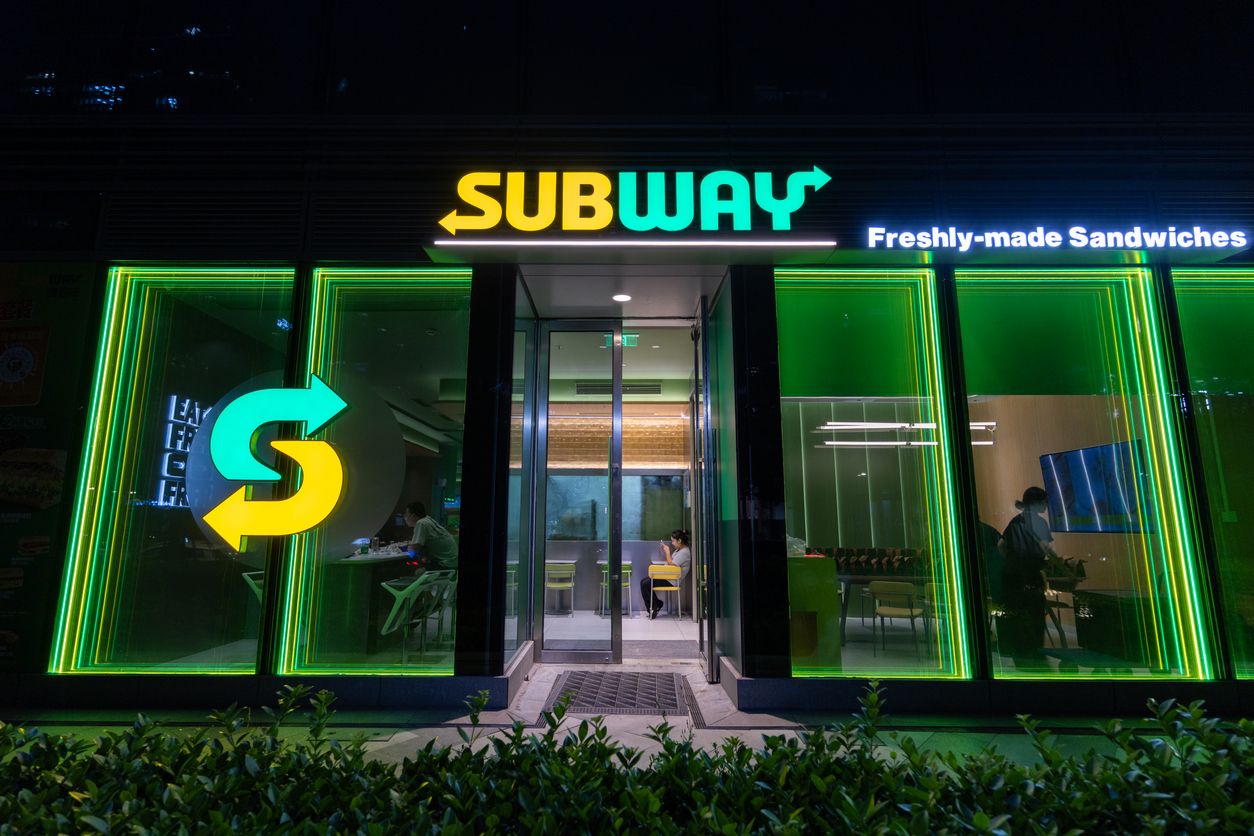
At one of the world’s largest restaurant chains the people running the stores don’t usually work for the people writing the messages. In most cases, franchise owners hear about an initiative from headquarters, then decide for themselves whether to run it.
“Every franchisee is different,” Mahogani Chery, senior director of global communications and culture at Subway, told Ragan. “When you have corporate stores, you can run your business the way that you want to. When you have multiple franchisees, what works for one franchisee may not work for another.”
She said that at Subway, that influences how messages are disseminated. Employee channels like the company’s intranet and global weekly newsletter run separately from the messages that reach franchisees and their restaurants. Those messages go out daily from regional leaders, and what lands in front of an owner depends on where they operate.
“There may be something happening in the U.S. that’s not happening in Canada because our products change at each location,” Chery said. “In Latin America, we have almost 23 different markets. There might be something happening in Colombia that’s not happening in Mexico, and that’s completely different from what’s happening in Puerto Rico.”
Carrying the message from corporate to franchisees
Chery said a post on Subway’s franchisee feed is only the first leg of a message’s trip into the restaurant. In the U.S., the same post goes to Subway’s managers and directors of franchise performance, the corporate field staff who visit restaurants throughout the week.
“When our franchisees get them, so do the people on the corporate side,” Chery said. “As they make their field visits and market visits through the week, they are also disseminating this information into the restaurants. They can print out the information for the franchisees or restaurant managers so they can see what they missed. Franchisees can decide whether or not they’re going to use that.”
Looping field staff in at the same time as owners means every restaurant visit backs up what’s already on the feed. Subway adds another safety net with monthly town hall meetings, where the top leader in each region meets with that region’s franchisees.
“You can or cannot join, and it will be recorded if you are not able to attend,” Chery said. “If there’s something that you happen to miss because there’s too much on the feed, it will be given to you by our regional presidents.”
Place the message where franchisees will see it
At Subway’s Latin American locations, franchisees get the same kind of monthly town halls. But Chery said her team adds one extra channel there, saved for major news.
“A lot of franchisees in Latin American countries do not go on the feed as much,” she said. “They’ll use a messaging service like WhatsApp. So we’ll send a link saying, ‘Hey, did you see this Halloween promotion?’ which hits their cellphones immediately. If it’s that important, we’ll send it that way instead of following all the other channels.”
In practice, that means asking where owners in each market already look for news before deciding how to reach them. Chery said the answer can change from one franchisee to the next
“When I’m reaching out to the new, eager couple who really wants to make this successful, I can reach out to them through messaging apps and new-age technology,” Chery said. “When I’m reaching out to older franchisees who have had 20 years of experience making their restaurant successful in their own way, you need to meet them where they are.”
Write for franchisees who skim
No matter the channel or who’s on the other end, Chery keeps one rule in mind for every message. Franchisees have a lot happening on any given day. That makes brevity key.
“If it fits on Twitter, it fits in their world, because they don’t want more than 150 characters,” she said. “They need to know what their main information is and how it’s going to work for them. The days of long emails are over.”
Chery said that messages that need to be longer can get routed through a link to more information. Alternatively, she recommends channels like video messages or tutorial guides that owners can print and read later. That way, no one has to sit at a laptop or be on their phone for too long to get the full scope of what Subway corporate is trying to tell them.
“I always say snackable, but make sure it’s digestible,” she said. “That way, people can take it, read it, digest it and move on for action or no action on their end.”
Sean Devlin is the senior internal communications editor at Ragan. You can connect with him on LinkedIn here.