MGM Resorts comms leader on the real reason change communications fail
Never assume a change will play out the same way twice.

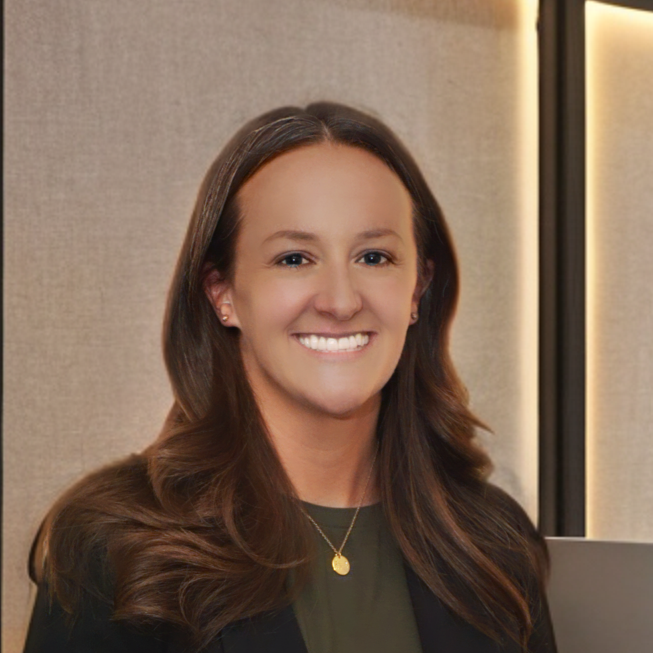
Lauren Stephens spent her first year of college on a pre-med track, her last year of college planning weddings, and the year after that learning food and beverage operations at MGM Resorts International in Las Vegas. None of it was supposed to add up to a career in communications. And yet, more than a decade later, that’s exactly where she’s landed .
Stephens leads internal communications strategy for MGM Resorts International, guiding messaging and change management across a portfolio of Las Vegas Strip properties and more than 60,000 employees. She’s led communications through mergers and acquisitions, leadership transitions and a companywide refresh of MGM’s values and culture, and she also counsels the property-level comms teams behind Bellagio, Vdara and other MGM brands.
Even with AI and digital tools reshaping the field, she points to a real conversation as the most effective tool in communications.
Join Lauren and comms leaders from ShipStation Global , St. Jude Children’s Research Hospital and more for Ragan’s virtual Change Communications Certificate Course on Oct. 22, 29 + Nov. 5 Register now.
You oversee comms for more than 60,000 employees. In a snapshot, what does your day-to-day look like?
It’s changed over the years with the roles I’ve had. When I first joined comms, I was very focused — supporting one or two properties. From there, I grew into wanting to know how you manage that at scale from a corporate level, and that’s where I got into mergers and acquisitions and change management.
Now — because I’m an old fogey at this point — when I work on a project, it’s usually something companywide: mergers and acquisitions, big leadership or organizational shifts. When we refreshed our values and culture, I led that. So I still have project work where I’m building the comms plan and the deliverables, but most of my day-to-day now is spent counseling. Our structure includes dedicated property comms people — we have someone who handles Bellagio’s comms, someone who handles Vdara’s — and I meet with them a lot, since they’re seasoned but still a little earlier in their careers. They’ll ask, do you have an example of how to handle this, how would you phrase this, who needs to know about this? That happens whether it’s a structured meeting or someone pinging me asking for five minutes.
Everything else usually relates to whatever the big company priority is at the moment — a lot of calls with corporate entities, legal, human resources, property and executive leadership. And, of course, always responding to emails. I love when someone calls and says, Lauren, do you have time to talk? I just need a thought partner. People always apologize for “bothering” me, and I always tell them it’s never a bother — I’d much rather talk through things with people and help them make what they’re working on, whether it’s a simple email, an org announcement, a campaign or a poster, as good as it can be, instead of watching them struggle with it alone.
What would you say is the biggest misconception people have about internal comms?
Maybe the biggest misconception is that it just happens — that there’s no structure behind it. I think people see comms as this nebulous thing: you just write an email and send it out. If they only knew how much work actually goes on behind the scenes to make anything we do happen. We were just talking about this at a leadership offsite — nothing we do isn’t strategic. There’s not a single thing I do that isn’t thought out and planned. Usually, once you’ve worked with me or my team on a project, you get it — you realize you actually have to plan out comms, you can’t just decide at the last minute that you need it. But that’s the biggest misconception: that it just happens, that you can say “put comms out” and not realize how much actually goes into it.
In your experience, what’s the number one reason change communications efforts fail — and what’s the fix?
“Fail” is such a subjective term — sometimes it’s just, hey, that didn’t go as well as we wanted, or we could have done this better. But it builds on what I just said: it’s when people don’t make time for comms the way they do for any other facet of project management. I think that’s part of why I’ve gravitated toward this role and succeeded in it — I have a very structured, project-management-style background, and I tell people: you’d make a Gantt chart or a project plan asking, do we have a plan for finance, for procurement, for HR? You make plans for all these other functions, but if comms isn’t its own line item — especially during times of change — that’s usually when it goes off track. People get upset that no one knew about something, or that they needed everyone to do something and it didn’t happen, and the real question is: how much did you actually dedicate to comms as its own project plan?
The fix, on the flip side, is engaging communications early and often. I love when people include me in a meeting or a meeting series and say, Lauren, I don’t know if you’ll need to do anything, but I want to make sure you’re included so you can hear the conversation. Even if I don’t say a word, or I’m just taking notes, it’s so much easier for me to listen in as something develops over months than to be brought in after six months of conversations I wasn’t part of. If you build in time for comms early — and treat it like a line item, the same as asking whether you’ve looped in HR or finance — that’s the fix. Sometimes teams are still figuring things out, and I’ve been on those calls too, where you think, you all need to get your ducks in order first. But once you know what you need to do, make sure comms is there, and we’ll help you make it as good as you’re willing to put the time in to make it.
What’s one thing you wish every communicator understood about change before they were thrown into leading it?
No two changes are the same. In an organization like ours, where change is the new normal — I don’t know anyone whose job doesn’t involve it — it’s easy to get a little jaded and think, we’ve done this before, we’ll just do what we did last time, it’ll be fine. And you might underestimate it. Maybe it will be fine, but maybe you missed something. Not every change is the same scale — sometimes it’s a big, transformational change, and sometimes it’s just, hey, we’re updating one policy or procedure. But regardless, communicators will be part of change management in some form, constantly. Don’t assume every change will play out the same way just because you’ve handled something similar before. You still have to get in there, ask the questions, and figure out whether this one is truly the same — or whether there’s something different about it you need to account for.
You live in Las Vegas — we have to ask. What’s your go-to for a day off?
Our headquarters is on the Las Vegas Strip — I was down there all day yesterday for a meeting, then went to a Raiders game at Allegiant Stadium. It’s kind of cool to step back and think, wow, I get to do that as part of work. There’s a lot available. When I first moved here and started with MGM, I went to all our shows, visited all our properties, tried a bunch of restaurants, and I still advocate for that.
Now, when I’m not working, I’m mostly a homebody — I wish I had cooler things to report, but it’s mostly working, walking my dog, working on a house project. But the thing about Vegas is that while the Strip obviously has so much to offer, there’s also the rest of the valley. If you’re a nature person, there’s Hoover Dam, Red Rock Canyon, Mount Charleston — you can go skiing in the winter 45 minutes off the Strip, and I do. If you like suburbs and shopping, we have all the shopping centers, malls and Costcos you could want. If you’re into golf, there are tons of courses. People hear “Las Vegas” and picture living in a hotel downtown, but there’s just normal life in the valley.
What’s your personal hot take, and what’s your comms hot take?
My comms hot take is that, now more than ever, sometimes going back to basics is still the most effective approach. There are so many great tools available to us — technology, our own mobile app for employees, digital tools, AI — and I love all of it. But I just did a round of focus groups with leaders about communication effectiveness, and what came through is that simply talking with your teams is still the most effective method. People appreciate the email, they’ll read the intranet post, but the more you can just talk to people directly, the more impactful it is — especially now that everyone’s glued to their phone.
The other one — and this is a blend of personal and comms — is about meetings. I saw someone online talking about how meetings are killing us, and I’ve said this for a long time. A couple of years ago at MGM, we tried something called No Meetings Fridays: unless it’s a true emergency, leave the day open. I notice this all the time — I’ll be working all day, and then 5 p.m. hits, and that’s when people suddenly need something from me. It’s like clockwork, because they’ve been in meetings all day and haven’t had time to actually do anything. So the hot take is: for the love of God, stop scheduling endless meetings. I’m not saying there’s no time or place for them — there’s real value in getting people to consensus or into a brainstorm — but some meetings just run on, and it limits people’s ability to think and be strategic.
Isis Simpson-Mersha is a conference producer/ reporter for Ragan. Follow her on LinkedIn.