‘60 Minutes’ lead explains Pelley firing to staff; Meta rolls back employee tracking
Plus, Teradata’s CEO says some employees aren’t getting raises because of AI.

Greetings, comms pros! Let’s take a look at a few news stories from the last week and see what we can learn from them.
- “60 Minutes” executive producer Bilton tells staff they should hear about Pelley firing from him
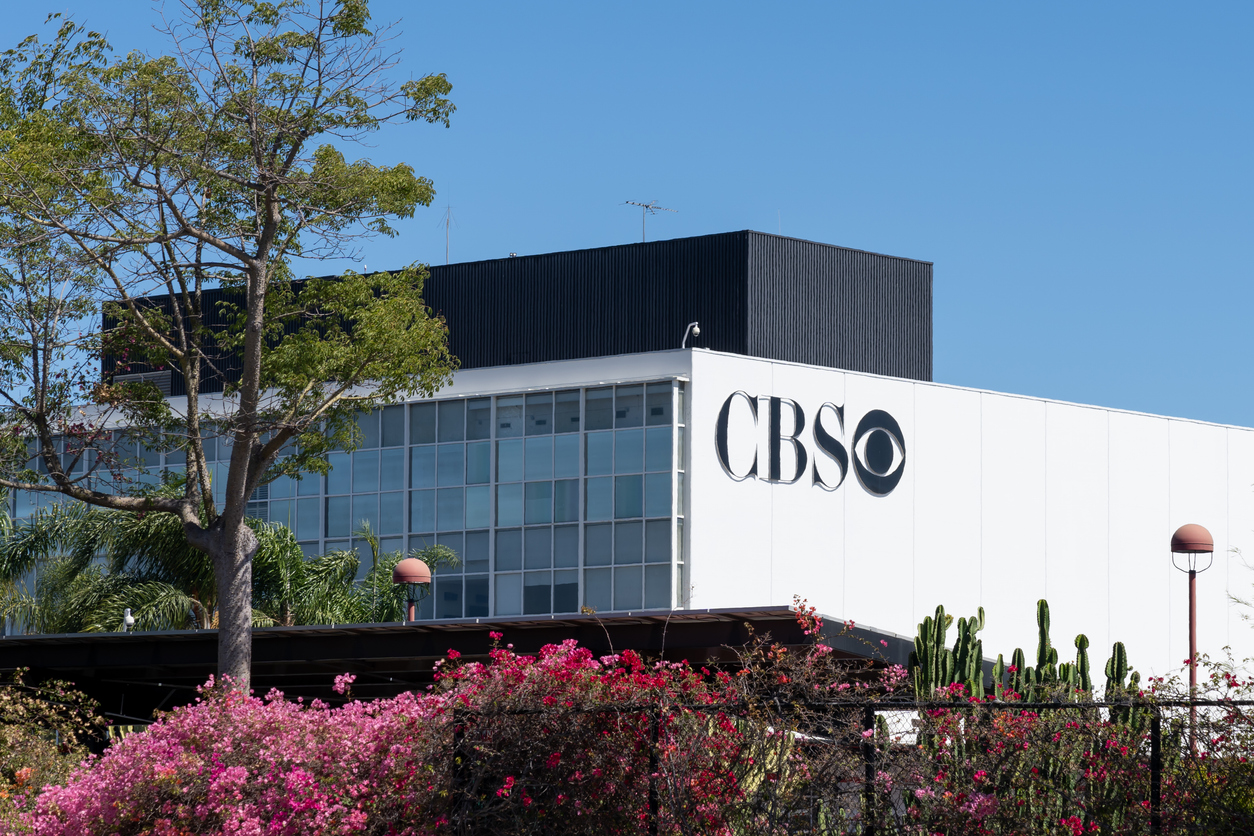
Newly minted 60 Minutes producer Nick Bilton told the show’s staff following anchor Scott Pelley’s firing that they needed to hear from him, stating that he knows “how much Scott meant to many of you.” Pelley was fired earlier this week after clashing with the new producer over the future direction of the program and network.
Jeremy Barr, reporter for The Guardian, shared the note in full on his X page.
Team,
You should hear this from me first. We have parted ways with Scott Pelley.
I know how much Scott meant to many of you, and I don’t say this lightly. I made repeated attempts to have direct conversations with him over the weekend, and this afternoon I tried to find common ground. That was not the path Scott chose.
What I regret most is that this situation interfered with the conversation I had hoped to have with you about Season 59 and the future of this show. I realize this is a great deal of change in a very short time, and I wouldn’t pretend otherwise.
I won’t relitigate the last week with you here. What I will commit to is this: My unyielding support for each of you, the journalism that you do and what we will do together going forward.
Nick
Bilton’s note begins with a classic crisis comms strategy from a leader, stating that employees should hear from him first about the very public news of Pelley’s termination.. While Bilton’s memo acknowledges the emotion behind the decision, it has two major themes for remaining employees: this happened, and we’re moving on.
2. Meta says it’s easing up on employee click tracking tool — to an extent
After employee backlash, tech giant Meta is partially reversing course on a click-tracking tool for employees designed to train AI. According to a report by Reuters, more than 1,500 Meta employees signed a petition against the program, and now the company will allow the tool to be paused for 30 minutes at a time.
“While we remain confident in the privacy protections we put in place at launch, which went through several layers of risk review, we have heard your concerns about personal data on work devices, battery life, and wanting more control over when capturing happens,” Stephane Kasriel, a vice president in Meta’s Superintelligence Labs, wrote in an internal memo seen by Reuters.
Kasriel’s statement attempts to pull double duty of controlling negative employee reactions while also defending the underlying motivation for the click-tracking program. The “we hear you” language acknowledges employees, but the temporary off-switch is only a partial concession. It communicates that AI is the way forward, but that Meta will also take employee input along that path to a certain extent.
3. Teradata chief says it’s forgoing some raises to invest in AI
Software company Teradata told its employees that some of them may not get raises as the company reallocated part of this year’s budget to AI-related investments. In a memo written in January but obtained by Business Insider this week, CEO Steve McMillan said that the decision was made to “win in the market with AI.”
“We will fund this AI investment by reallocating the budget from 2026 annual salary adjustments,” said McMillan.
Employees may still be eligible for performance-based raises and bonuses and this applies only to employees in countries that don’t require raises that align with the market. Employees told Business Insider that they usually got 2% to 4% raises each year, but that these pay bumps were not guaranteed.
McMillan’s statement about the desire to “win” in the AI market reveals how the company is thinking about the move. The lack of reported details about how employees can benefit from the priority shift is something communicators can learn from — when big changes like this happen, employees need to know both the reasoning and what’s in it for them in the end.
4. How about some good news?
- A set of endangered lemur triplets was born in Georgia.
- Owls and foxes have been spotted thriving on the site of an old mine in England.
- Recent data revealed a 92% drop in malaria deaths in Papua New Guinea.
- Ragan Training is an excellent place for communications professionals to find inspiration and valuable resources.
- You should be rewarded for your work. Find out how to earn an award here!
Have a great weekend comms all-stars!
Sean Devlin is an editor at Ragan Communications.