Employee support sits at the center of Children’s Minnesota’s crisis comms plans
Lessons from the closing fireside chat at Ragan’s Employee Experience Conference.

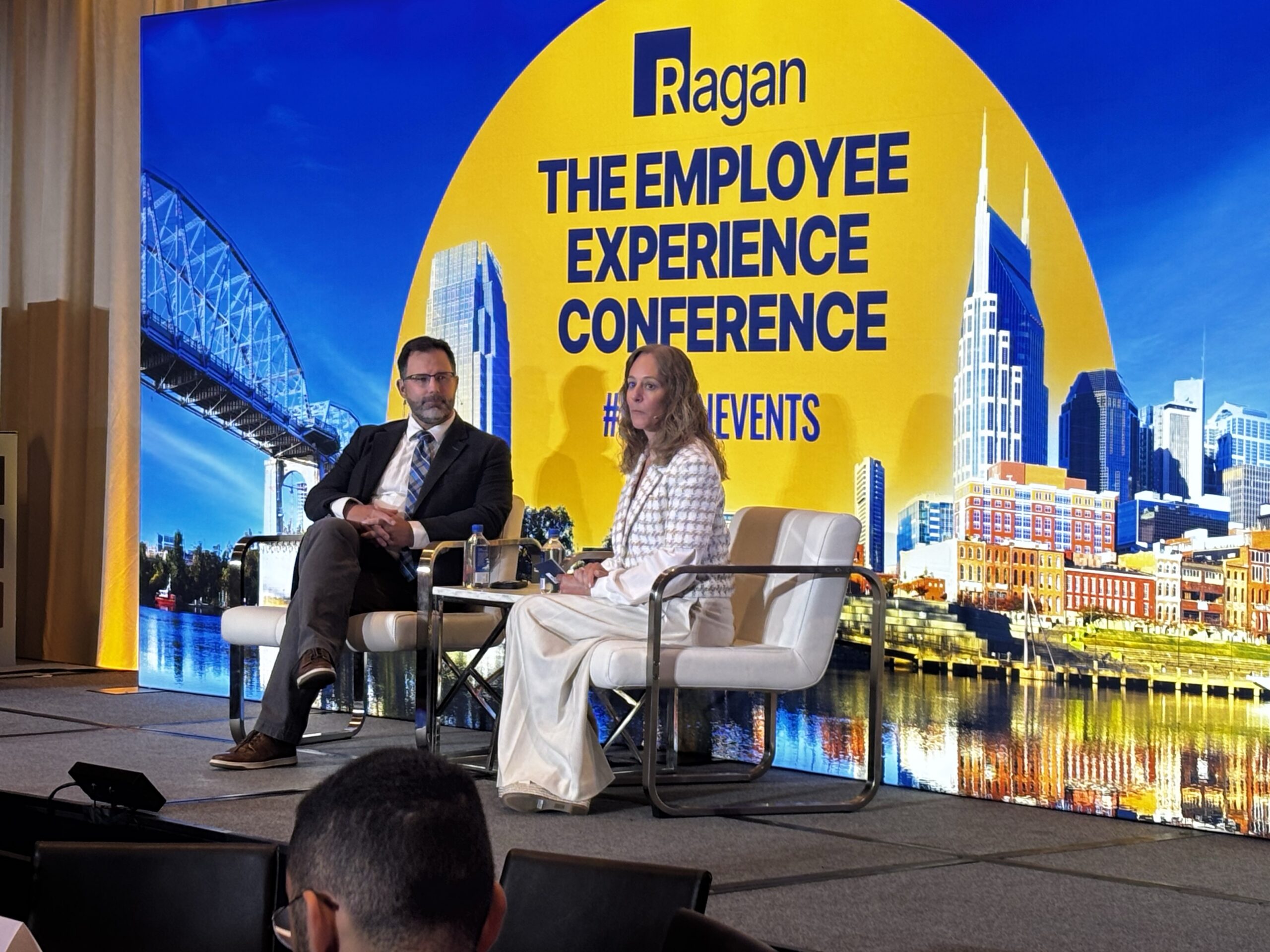
As fear of ICE arrests spread across Minneapolis, an employee at Children’s Minnesota became too distressed to focus. She apologized and offered to use four hours of vacation to take the afternoon off.
Nick LaFave, senior director of organizational communications at Children’s Minnesota, denied the request.
“This person was experiencing trauma, and so I just let them talk for as long as they needed,” LaFave said during the closing fireside chat at Ragan’s Employee Experience Conference in Nashville. “I reminded them of the services that we have for employee well-being and therapy opportunities through the hospital. Then I told them there was no way in hell that I was approving the PTO request. I’m not taking four hours of vacation away from you because you are struggling.”
For employee communicators, the moment captured the difference between saying an organization cares and making a decision that proves it.
“As leaders, we need to care about our employees’ well-being, their work-life balance and their general happiness,” LaFave said. “Mental and emotional well-being are key components of high performance. If your team does not believe that you care about them on a normal, day-to-day basis, they are not going to believe that you care about them when crisis hits.”
What to do when team members are personally affected by a crisis
When crisis strikes, communicators must gather facts, advise leaders and keep their fellow employees informed. They may even have to do all three while processing the crisis themselves.
After the Annunciation Church School shooting, LaFave and his team activated the hospital’s incident command system. Not long after that, he learned that one of his team members had a personal connection to the school.
“She was in tears, in hysterics,” he said. “She lives a few blocks from the school. She has friends there, and she doesn’t know if they’re alive or dead. Her day is done. She’s closing her laptop, and she’s not working.”
The best leaders know that not every employee is going to be able to compartmentalize a crisis when it affects them simply because they’ve got a role to play in the response. LaFave told the audience that recognizing when someone needs to step back begins with learning their personality and communication styles on an everyday basis.
“You need to know when they might be off, and that’s not just during a mass shooting,” he told the audience. “It’s on a daily basis.”
Crisis communications readiness requires backup staffing and employee trust
Putting people first does not mean letting the communications work stop. But it does mean creating enough backup capacity that no one employee has to carry the response through personal trauma. LaFave knew exactly which colleagues across Children’s Minnesota’s communications and marketing functions could absorb the work when team members were unavailable.
“I knew I had people on the bench that I hadn’t actively brought in,” he said. “I knew that I had people on the digital team who could step in. I knew I had people on the marketing team who could step in, and I knew my plans B and C if I needed to get there.”
Staffing depth was only one part of the response. LaFave also knew that frightened employees and patient families needed more than an email or blog post. As fear of ICE arrests continued, he joined colleagues from HR and compliance to visit every clinic and unit in the system.
“We took a full week, 10-hour days, and hit every clinic and every unit in our entire system,” LaFave said. “We walked them through step by step what happens if ICE were to show up in our facility. We assured them that all the normal protections that protected their rights and their information were at play.”
The visits turned an abstract message of reassurance into a direct conversation in which employees could hear the organization’s position, understand its procedures and ask questions. LaFave said that kind of credibility needs to be built before a crisis ever starts.
“If you waited for a crisis to hit before you laid that groundwork, you have waited too long,” he said. “You lay that groundwork by simply getting to know people, talking to them and finding out what’s important to them. Then you find ways to make their jobs and lives easier.”
For all the complexity of crisis communications, LaFave’s final advice was something any manager could do the next morning.
“The first thing you can do when you go back to work is find your direct reports and talk to them about anything but work,” he said. “Culture has become such a buzzword. It is humanity that we’re talking about, and when you show your people basic humanity, culture is going to take care of itself.”
Sean Devlin is an editor at Ragan Communications. You can connect with him on LinkedIn here.