Meta tells employees they can leave AI task force; Robinhood CEO says company ‘never been stronger’ in layoff memo
Plus, a look at the CEO transition underway at Domino’s.

Greetings, comms pros! Let’s take a look at a few news stories from the last week and see what we can learn from them.
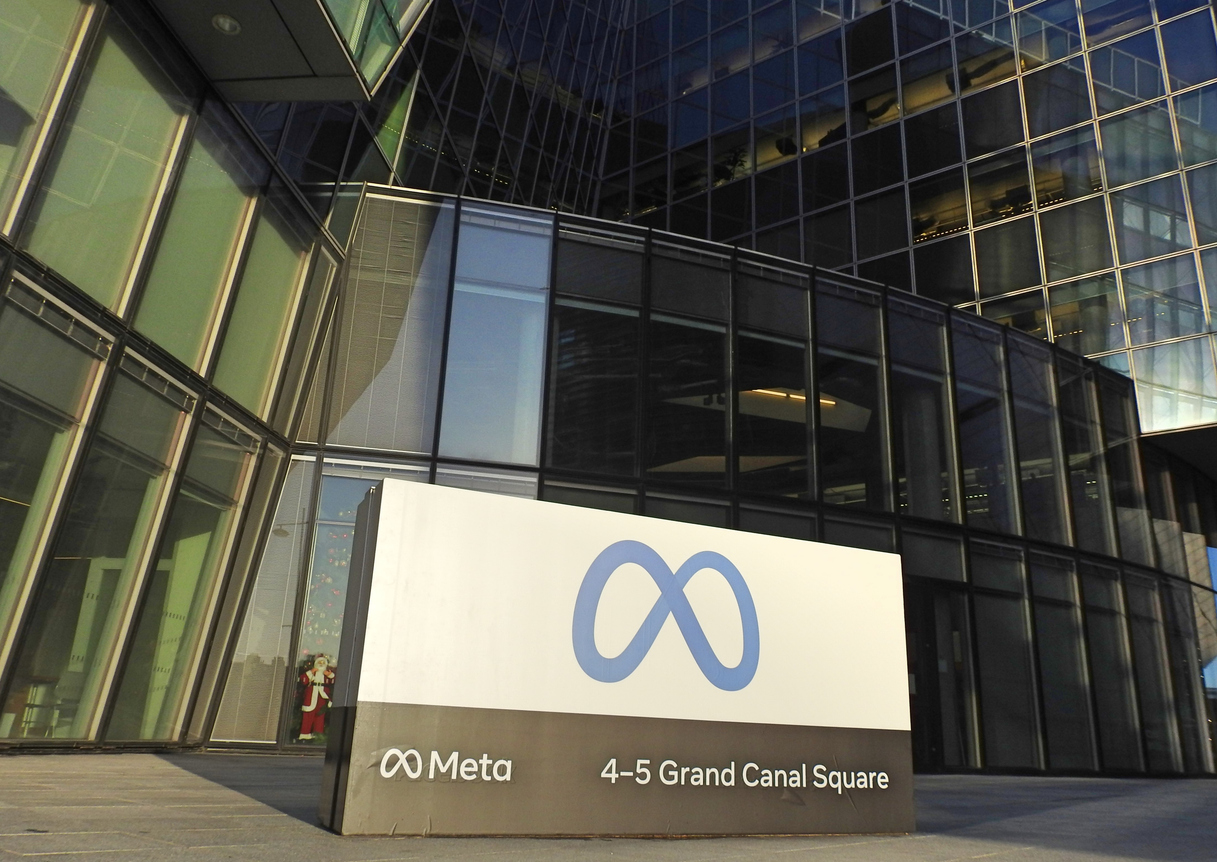
1. Meta tells staff it can leave internal AI task force, though it would prefer they stay
Tech giant Meta is allowing employees to exit an AI training program that was previously made compulsory for 7,000 employees, now leaving it up to employees whether they want to continue training AI models for the company. According to an internal memo signed by an unnamed leader and obtained by Business Insider, the company will now “defer” to each employee’s choice.
“As I emphasized before, personal agency will remain at the heart of all opportunities at Meta: we will support employees in whatever decisions they make,” the memo said. “Of course, we’d prefer everyone to stay and push to (state-of-the-art AI) together, but we defer to each individual’s choice,” it read, referring to state-of-the-art.
Meta’s note frames the policy reversal as an employee choice, but the context of the situation muddies that message. Because the AI task force assignment was reportedly mandatory before employees pushed back, the shift to optional participation reads more like a response to negative feedback as opposed to a move to true employee autonomy. In addition, the piece of the message about Meta stating that it would rather employees stay within the program could lead to staff wondering whether or not opting out is really free of consequences.
2. Robinhood CEO says preemptive layoffs are happening because company needs “flattening”
Robinhood CEO Vlad Tenev announced in a note on X that the company was laying off 10% of the company, despite the fact that performance is at a high. Tenev said that the company’s business is strong, but the organization needed a reshuffle to achieve “the massive scale of our mission.”
Because our financial position is strong, we are making this change proactively. The goal is to maximize our talent density and ensure that our culture is defined by an absolute elite performance bar and a superlative commitment to our customers. This transition creates even more opportunities for our most talented people to grow and take on greater responsibility. We will also continue hiring strategically, investing heavily in top-tier talent, and utilizing frontier technologies to push our execution even further.
Tenev’s note shows how challenging it can be to put together a layoff note when a company is performing well financially. His reference to raising the bar for performance and focusing on talent and growth shifts the conversation away from finances and toward a rethink of the company’s culture and structure. While Tenev’s memo expresses thanks to those affected, for those who remain the memo could also serve as a signal that workload expectations are about to accelerate.
3. Domino’s lays out CEO succession plan with comments from incoming and outgoing leaders
Pizza chain Domino’s announced its CEO succession plans, with current CEO Russell Weiner stepping down effective October 1, and Domino’s chief operating officer and president Joe Jordan tapped to step into the top role at that time. In addition, Weiner will transition to the executive chairman role in 2027, replacing the retiring David Brandon. In a statement released on the company website, Jordan expressed gratitude for his appointment to the top job. In addition, Brandon praised Jordan’s appointment and his knowledge of the company, and even referred to the succession process itself.
“Joe is a proven leader whose experience spans virtually every aspect of our business,” said David Brandon, executive chairman. “After a thoughtful succession planning process, the Board unanimously concluded that Joe is the right leader to serve as Domino’s next CEO. He embodies Domino’s culture of developing leaders from within, has earned the trust of franchisees across our global system and is uniquely qualified to guide the Company through its next phase of growth.
The comprehensive nature of the Domino’s memo, which lets the reader hear from both incoming and outgoing leaders, serves to calm both employees and stakeholders during a time of major change. It outlines the who and when of a major change process and gives concerned parties ample time to absorb the changes. When changes take place, employees need to hear from their leaders and be as assured as possible that the path forward will continue and that the new leaders have the support of the old ones — Domino’s memo does a good job in this way. Continuity can be communicated by ensuring leadership comms remains aligned both publicly and among employees.
4. How about some good news?
- A Boston newspaper took out an ad to honor Scottish soccer fans who showed up to cheer on their country in the World Cup.
- Thousands of flamingo chicks hatched at a nature reserve in Turkey.
- Fungi were used to successfully filter and remove E. coli from waterways in England.
- Ragan Training is an excellent place for communications professionals to find inspiration and valuable resources.
- You should be rewarded for your work. Find out how to earn an award here!
Have a great weekend comms all-stars!
Sean Devlin is an editor at Ragan Communications.